Redirecting a High-Hype AI Investment Before Costly Build
Overview
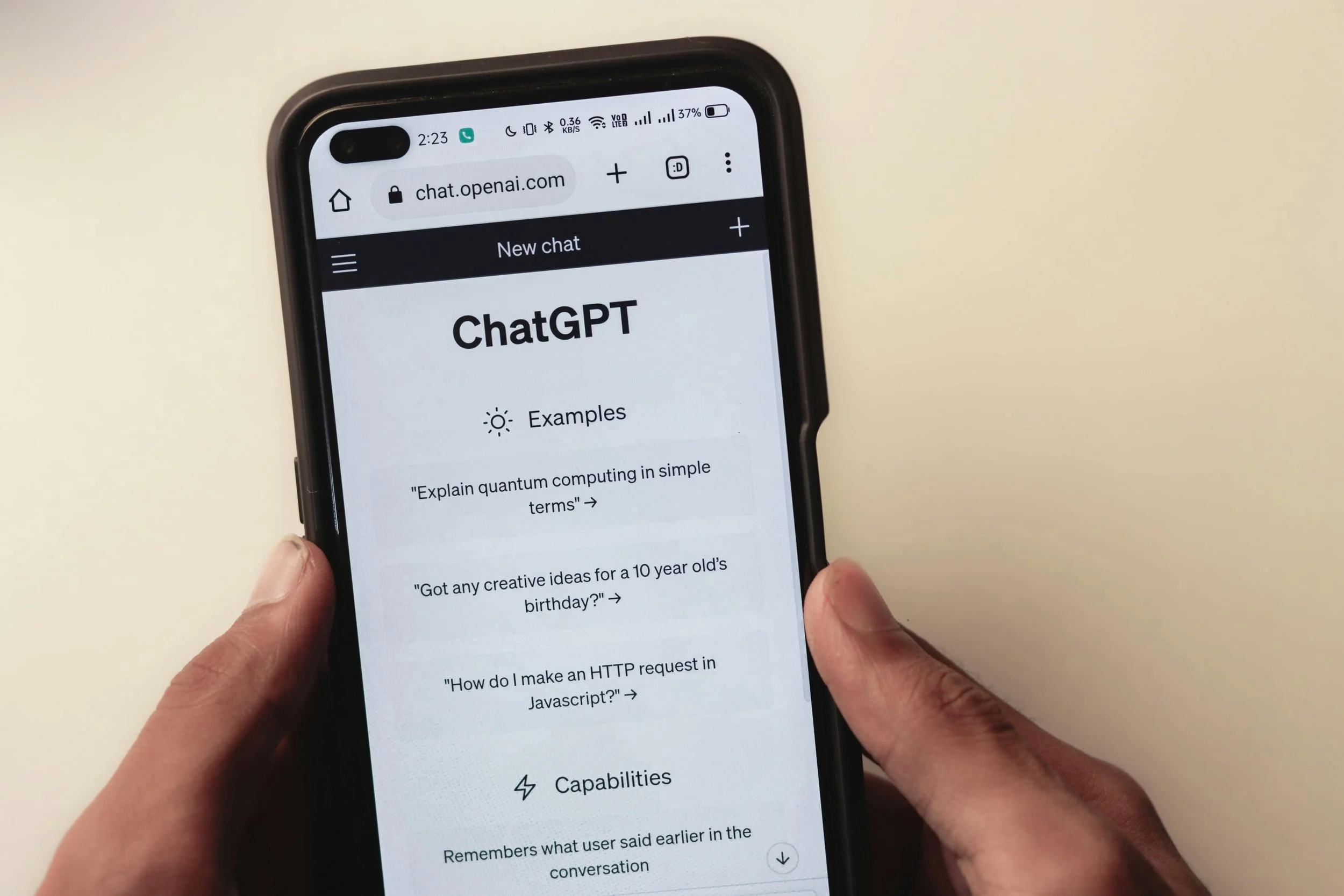
At a high-stakes executive offsite, leadership was poised to evaluate a significant investment in an unauthenticated AI experience powered by ChatGPT. While internal momentum was high, the project was stalled by "curiosity overload"—a collection of over two dozen disparate inquiries regarding adoption, trust, and technical utility.
With only a two-week window before final resource allocation decisions, I directed a rapid-response strategy to validate the concept. By wrangling these broad question sets into a coherent research architecture and managing the delivery of the findings, I provided the strategic clarity needed to shift the roadmap toward a higher-trust, in-app experience.
The Challenge: From Curiosity to Actionable Scoping
The proposed strategy relied on two high-risk pillars: using a general-purpose AI as a primary gateway and connecting it to sensitive payer systems. Leadership was intrigued by the fact that 1 in 3 U.S. adults used a general AI chatbot for health information in 2025, but had various questions/concerns related to three primary areas, including:
Competitive Differentiation: Identifying the specific value proposition that "vanilla" LLMs could not match.
Trust & Data-Sharing Friction: Understanding the specific boundaries of member reluctance regarding sharing private health data with insurers.
Competitive vs. Complementary Positioning: Determining whether to build a standalone experience or act as a "layer" within external ecosystems.
My challenge was to prevent the project from becoming a vague "discovery" exercise and instead refine it into a "go/no-go" framework that could yield a definitive signal in 14 days.
My Role: Strategic Director & Storytelling Development
I served as the bridge between executive ambition and research execution, acting as the narrative architect and strategic lead:
Wrangling the Ask: I distilled the executive questions into a manageable framework of research topics/questions focusing on drivers, expectations, and emerging trends.
Strategic Scoping: I turned a long list of executive questions into a focused plan centered on two key issues: whether users wanted the AI to actually perform tasks (not just give information) and if they felt comfortable linking their private data to an outside tool like ChatGPT. This ensured the team gathered the exact evidence leadership needed to make a final decision.
Management & Mentorship: I directly managed the researcher performing the hands-on work, providing continuous feedback to keep the high-velocity sprint pointed at strategic business implications.
Narrative Strategy: I guided the development of the executive summary to ensure the findings were "decision-grade," shifting the output from a research report to a strategic briefing.
Approach: High-Velocity Validation
1. Wrangling the "Laundry List" into a Focused Plan
I conducted a rapid triage of executive inquiries. I distilled that list of asks into two core "make-or-break" issues that would actually drive the investment decision :
Action vs. Information: Do members want an AI that just answers questions, or one that can actually perform tasks like scheduling appointments and checking claims?
Inside vs. Outside: Are members willing to link their private health data to an external tool like ChatGPT, or do they only trust those interactions inside a payer member portal?
2. Managing for Speed and Impact
I directly managed the researcher throughout the 14-day sprint, providing the feedback needed to keep the work high-velocity and high-impact. Instead of a broad discovery project, I ensured that the time researching was spent gathering the specific evidence leadership needed to make a product roadmap decision.
3. Building the Executive Story
I led the final synthesis of the findings, shifting the output from a standard report to a strategic briefing. We used key insights from the literature review and video clips from concept testing to show leadership exactly why users were uncomfortable with the "connected" model, making the adoption risks impossible to ignore.
Outcome
At the executive offsite, the evidence shifted the conversation materially.
The unauthenticated ChatGPT-based payer-connected experience was not pursued
Leadership redirected focus away from high-risk external integration
Investment was instead allocated to lower-risk, higher-trust opportunities within authenticated environments
This represented a significant change from the initial direction, which had strong internal enthusiasm.
Impact
Prevented a high-cost investment in a low-adoption concept
Shifted executive decision-making using direct consumer evidence
Surfaced trust and privacy as core constraints for AI strategy in healthcare
Redirected investment toward more viable, authenticated experience paths
Demonstrated a repeatable model for rapid insight-to-executive influence cycles